
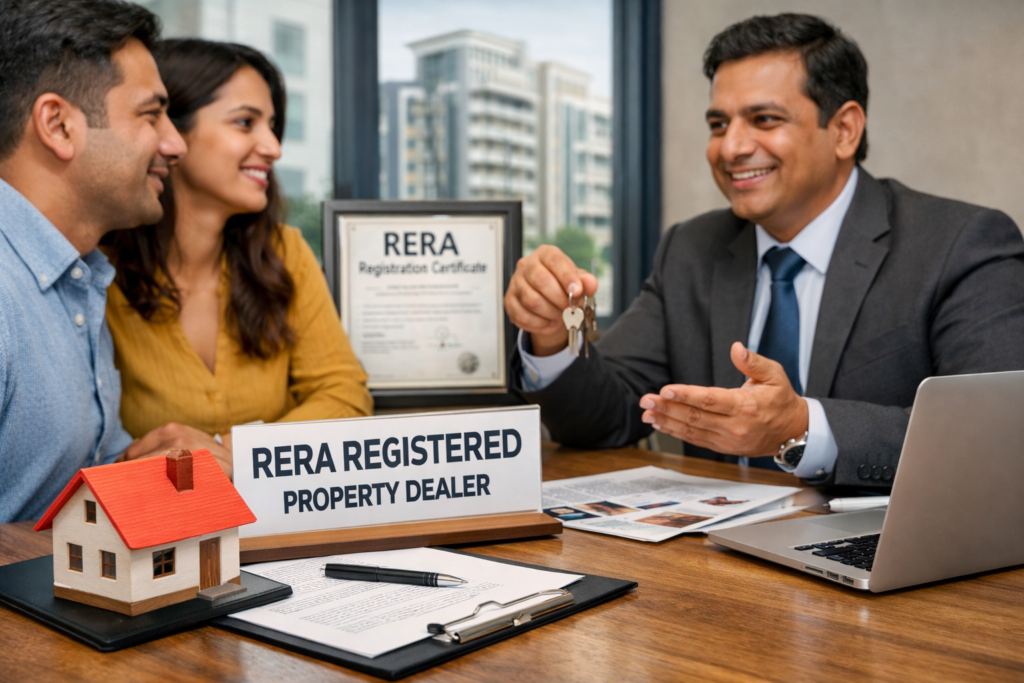
In today’s real estate market, buyers and investors are more careful than ever before. With so many projects, brokers, and listings available, it has become difficult to know whom to trust. This is exactly why working with a RERA registered property dealer is so important. Whether you are buying your first home, searching for a commercial property, or planning a long-term investment, choosing the right professional can protect your money, time, and peace of mind.
A RERA registered property dealer follows legal guidelines, operates with greater transparency, and offers a more trustworthy experience compared to unregistered agents. For buyers, this means better access to verified information, reduced chances of fraud, and smoother property transactions. In a sector where even one wrong decision can lead to major financial loss, trust and compliance matter a lot.
This guide explains what a RERA registered property dealer is, why it matters, how it benefits buyers and investors, and what to check before choosing one for your next property transaction.
What Is a RERA Registered Property Dealer?
The Real Estate (Regulation and Development) Act, commonly known as RERA, was introduced to bring more accountability and transparency to the real estate sector in India. Under this law, real estate agents and brokers in many states are required to register with the respective state RERA authority before they can legally facilitate property transactions in registered projects.
A RERA registered property dealer is a real estate professional who has completed this registration process and received an official registration number from the concerned authority. This registration creates a level of legal accountability and gives buyers more confidence while dealing with the agent.
When you work with a RERA registered property dealer, you are not relying only on verbal promises or casual claims. You are dealing with someone who is expected to follow rules, maintain transparency, and provide accurate information about properties and projects.
Why RERA Registration Matters in Real Estate
Real estate transactions usually involve high-value investments. Many buyers spend years saving money for a property, while investors aim to secure strong returns through careful planning. In both situations, the person guiding the deal plays a major role.
A RERA registered property dealer adds credibility to the process because registration indicates a formal connection with regulatory standards. This matters for several reasons.
First, it helps reduce misinformation. Property buyers often face confusion around project approvals, possession timelines, legal status, and hidden charges. A RERA registered property dealer is expected to provide factual details instead of misleading marketing claims.
Second, it improves accountability. If an agent violates rules, there may be a proper complaint mechanism available through the authority, depending on the case and state rules. That creates more confidence for buyers.
Third, it encourages ethical practices. The market becomes healthier when buyers prefer a RERA registered property dealer over informal or unverified brokers.
Key Benefits of Choosing a RERA Registered Property Dealer
There are many practical reasons why buyers and investors prefer a registered professional. Here are the major benefits:
1. Better Transparency
A RERA registered property dealer usually deals with registered projects and shares more structured information about builders, project approvals, pricing, and timelines. This reduces confusion and helps buyers compare options more confidently.
2. Lower Risk of Fraud
Fraud and misrepresentation have long been major concerns in the property market. Working with a RERA registered property dealer can lower these risks because the agent operates under a regulated framework. While no system can eliminate all risk, registration certainly improves reliability.
3. Access to Verified Projects
Many buyers are unsure whether a property project is legally approved or whether the builder has shared accurate details. A RERA registered property dealer is more likely to direct clients toward projects with clearer legal standing and documented compliance.
4. Professional Guidance
From site visits to negotiations, paperwork, and coordination, a RERA registered property dealer can guide buyers through every stage of the process. This support is especially valuable for first-time homebuyers who may not fully understand market practices.
5. Improved Buyer Confidence
Trust plays a huge role in property transactions. When buyers know they are dealing with a RERA registered property dealer, they often feel more secure about the process and more comfortable asking questions about pricing, legal paperwork, and project details.
How a RERA Registered Property Dealer Helps Homebuyers
For homebuyers, emotional and financial factors are deeply connected. Buying a home is not just an investment decision; it is also a life decision. A RERA registered property dealer helps simplify this journey.
They can assist in shortlisting properties based on budget, location, builder reputation, and future value. They also help buyers understand carpet area, possession timelines, payment plans, and builder commitments. Since many buyers are unfamiliar with technical terms, a RERA registered property dealer can translate complex details into simpler language.
Another important role is documentation support. Property paperwork can be overwhelming, especially when multiple parties are involved. A RERA registered property dealer often helps in coordinating with builders, sellers, legal advisors, and financial institutions to keep the process smoother.
Why Investors Should Prefer a RERA Registered Property Dealer
Investors have a different goal from end-users. They focus on rental yield, appreciation potential, demand trends, infrastructure growth, and resale opportunities. Even then, trust remains non-negotiable.
A RERA registered property dealer can help investors identify projects that align with their financial objectives while reducing exposure to unnecessary risk. They may offer better clarity on project status, builder background, possession outlook, and location potential.
Because investment decisions often depend on timing and accuracy, a RERA registered property dealer can be a valuable partner in filtering out weak opportunities and highlighting more reliable options. This is especially useful in fast-growing urban markets where buyers face hundreds of listings and aggressive promotions.
Signs You Are Working With the Right Property Dealer
Not every registered agent offers the same quality of service. Registration is important, but buyers should also look for professionalism and experience. Here are a few signs that you may be dealing with the right person:
They share their registration details openly.
They explain property facts clearly without making unrealistic promises.
They are willing to answer legal and project-related questions.
They encourage buyers to verify documents.
They focus on your needs rather than pushing only high-commission properties.
A dependable RERA registered property dealer builds trust through clarity, patience, and honesty. They do not rush buyers into decisions without proper information.
How to Verify a RERA Registered Property Dealer
Before finalizing any deal, buyers should verify whether the agent is genuinely registered. This can often be done through the official website of the relevant state RERA authority. Most portals allow users to search for registered agents, builders, and projects.
Here is what you should check:
The dealer’s registration number
Validity of registration
Associated business name
Any visible compliance details on the portal
Taking a few minutes to verify these details can save you from larger problems later. A genuine RERA registered property dealer will usually never hesitate to share their registration information.
Common Mistakes Buyers Should Avoid
Even when working with a professional, buyers should stay alert. Some common mistakes include choosing an agent only because of low prices, ignoring documentation, believing verbal promises, and failing to compare multiple options.
A RERA registered property dealer can improve your buying experience, but you should still do basic due diligence. Review project documents, understand payment terms, check location advantages, and ask questions about hidden costs or delivery commitments.
Another mistake is assuming that all agents are equal. Service quality varies. The best RERA registered property dealer is not just someone with registration, but someone with local knowledge, ethical conduct, and genuine concern for the client’s interest.
The Growing Importance of Compliance in Real Estate
The modern property market is changing. Buyers are becoming smarter, regulations are gaining importance, and digital verification is making transactions more transparent. In this environment, the value of a RERA registered property dealer continues to grow.
People no longer want to depend only on informal recommendations or random brokerage contacts. They want professionals who understand regulations, respect compliance, and offer verified options. This shift is healthy for the industry because it rewards trust, professionalism, and long-term credibility.
For developers, buyers, and investors alike, working with a RERA registered property dealer creates a more structured real estate ecosystem. It encourages cleaner transactions and better decision-making at every stage.
How RERA Has Transformed the Indian Real Estate Market
Before the implementation of RERA, the real estate sector in India was largely unorganized and lacked transparency. Buyers often faced delays, hidden charges, misleading advertisements, and unclear legal processes. The introduction of RERA has significantly changed this landscape.
Today, developers are required to register their projects, disclose accurate details, and follow stricter timelines. This has reduced the chances of project delays and increased buyer confidence. The law also mandates that a significant portion of buyer funds be used only for the specific project, preventing misuse of funds.
For buyers and investors, this means access to more reliable information and a structured buying process. The entire ecosystem is gradually shifting toward accountability, which benefits both genuine developers and serious buyers.
Understanding the Role of Documentation in Property Transactions
One of the most critical aspects of any property deal is documentation. Many buyers overlook this step or rely entirely on verbal assurances, which can lead to serious complications later.
Some key documents you should always review include:
- Sale agreement
- Title deed
- Encumbrance certificate
- Occupancy certificate (for ready properties)
- Approved building plan
- Payment receipts
A well-informed buyer should never skip document verification. Even if you are working with a professional, taking personal responsibility for understanding these documents adds an extra layer of safety.
Clear documentation not only ensures legal ownership but also makes future resale or transfer much easier.
Importance of Location Analysis Before Buying Property
Location is one of the most important factors in real estate. Even a well-constructed property can lose value if it is located in an area with poor connectivity or limited development potential.
Before making a decision, consider:
- Proximity to schools, hospitals, and workplaces
- Access to public transportation
- Future infrastructure developments
- Safety and neighborhood environment
- Rental demand (if buying for investment)
An area with upcoming infrastructure projects such as metro expansion, highways, or commercial hubs often has better appreciation potential. Researching location trends can help you make a smarter long-term decision.
Tips for First-Time Homebuyers
Buying your first home can feel overwhelming, especially with so many options and financial considerations. However, a structured approach can simplify the process.
Start by defining your budget clearly, including not just the property price but also additional costs like registration, maintenance, and taxes. Next, shortlist properties based on your lifestyle needs rather than just price.
Avoid rushing into decisions due to limited-time offers or pressure tactics. Take time to visit multiple properties, compare features, and evaluate long-term suitability.
It is also wise to check your loan eligibility in advance so you have a clear understanding of your financing options. This helps you avoid surprises during the final stages of the deal.
Common Red Flags in Property Deals
Even in a regulated environment, buyers should remain cautious. Recognizing warning signs early can save you from major financial losses.
Watch out for:
- Unrealistically low prices compared to market rates
- Lack of proper documentation
- Delayed or unclear responses from the seller or agent
- Pressure to make immediate payments
- Projects without proper approvals
If something feels suspicious or unclear, it is always better to pause and verify before proceeding. Trust and transparency should be non-negotiable in any property transaction.
How Technology Is Changing Property Buying
Technology has made property buying more convenient and transparent than ever before. Buyers can now explore properties online, take virtual tours, compare prices, and even verify project details digitally.
Online property portals, digital documentation, and virtual consultations have reduced the need for physical visits in the initial stages. This not only saves time but also allows buyers to explore more options before making a shortlist.
In addition, access to online reviews and ratings helps buyers evaluate developers and projects more effectively. As technology continues to evolve, the real estate experience is becoming more user-friendly and data-driven.
Long-Term Benefits of Making an Informed Property Decision
A property purchase is not just a short-term financial decision; it has long-term implications for your lifestyle and wealth creation. Making an informed choice ensures stability, security, and better returns.
A well-chosen property can offer:
- Consistent appreciation in value
- Steady rental income (if leased)
- Financial security for the future
- A comfortable living environment
On the other hand, a poorly researched decision can lead to legal issues, financial stress, and difficulty in resale. This is why taking time to research, verify, and plan is always worth the effort.
Advice for Smart Property Buyers
Real estate success is not about luck; it is about informed decision-making. Always prioritize transparency, verify every detail, and avoid shortcuts in the process.
Do not rely solely on advertisements or verbal commitments. Ask questions, compare options, and take your time before finalizing any deal. A careful and patient approach can help you avoid costly mistakes and ensure a smoother experience.
Remember, the right decision today can create long-term financial stability and peace of mind for years to come.

Difference Between Verified and Unverified Real Estate Agents
Understanding the difference between verified and unverified agents can significantly impact your property experience. Verified agents operate within a regulated framework and are more likely to follow ethical practices, while unverified agents may lack accountability.
A verified professional typically:
- Shares accurate and documented property details
- Follows proper transaction procedures
- Maintains transparency in pricing and commissions
- Provides guidance aligned with legal norms
On the other hand, unverified agents may rely heavily on verbal commitments, which can lead to confusion or disputes later. Choosing a verified professional adds an extra layer of confidence and reduces uncertainty in the buying process.
Hidden Costs Buyers Often Overlook
Many buyers focus only on the property price and forget about additional expenses that can significantly increase the total cost. Being aware of these hidden charges helps in better financial planning.
Common additional costs include:
- Stamp duty and registration charges
- Maintenance deposits
- Parking fees
- GST (for under-construction properties)
- Legal and documentation charges
- Brokerage fees
Ignoring these costs can stretch your budget unexpectedly. Always ask for a complete cost breakdown before making any commitment.
How to Evaluate a Builder’s Credibility
The reputation of the builder plays a crucial role in determining the quality and reliability of a property. Before investing, take time to research the builder thoroughly.
Key factors to consider:
- Past project delivery record
- Construction quality
- Customer reviews and feedback
- Financial stability
- Adherence to promised timelines
A builder with a strong track record is more likely to deliver on commitments, reducing the chances of delays or quality issues.
Negotiation Tips for Better Property Deals
Negotiation is an essential part of property buying, and many buyers miss the opportunity to secure better deals simply because they hesitate to negotiate.
Here are some effective strategies:
- Research market prices before starting discussions
- Compare multiple properties to strengthen your position
- Negotiate on additional benefits like parking or maintenance charges
- Be patient and avoid showing urgency
- Be ready to walk away if the deal doesn’t meet your expectations
Smart negotiation can help you save a significant amount or get added value without increasing your budget.
Understanding Property Appreciation Factors
Not all properties grow in value at the same rate. Several factors influence appreciation, and understanding them can help you make a better investment decision.
Important factors include:
- Location and connectivity
- Infrastructure development
- Demand and supply trends
- Economic growth in the area
- Future development plans
Properties in developing areas often offer higher growth potential compared to already saturated markets. Keeping an eye on upcoming developments can give you an edge.
Legal Checklist Before Finalizing a Property
A proper legal check is essential before closing any deal. Even small oversights can lead to major complications in the future.
Make sure to verify:
- Clear ownership and title
- No pending legal disputes
- Proper land use approvals
- Compliance with local regulations
- Valid construction approvals
Consulting a legal expert for document verification is always a wise step, especially for high-value transactions.
Importance of Site Visits Before Purchase
Online listings and brochures can provide useful information, but they cannot replace a physical site visit. Visiting the property in person gives you a clearer understanding of the actual conditions.
During a site visit, observe:
- Construction quality
- Surrounding environment
- Accessibility and road conditions
- Noise levels and pollution
- Availability of basic amenities
Multiple visits at different times of the day can help you get a more realistic picture of the location.
Rental Potential: A Key Factor for Investors
If you are buying property for investment purposes, rental income is an important consideration. Not all locations offer the same rental returns.
Factors that influence rental potential:
- Proximity to business hubs
- Availability of public transport
- Demand from working professionals or students
- Furnishing and property condition
A property with strong rental demand can generate consistent income while also appreciating in value over time.
Future Trends in Real Estate You Should Know
The real estate industry is evolving rapidly, and staying updated with trends can help you make smarter decisions.
Some emerging trends include:
- Increased demand for smart homes
- Growth of integrated townships
- Rising interest in sustainable and eco-friendly housing
- Digital property transactions and virtual tours
- Preference for properties with better work-from-home spaces
Understanding these trends can help you choose properties that remain relevant and valuable in the future.
Building a Long-Term Property Strategy
Instead of making isolated decisions, it is beneficial to think of real estate as part of a long-term strategy. Whether you plan to live, rent, or resell, having a clear goal helps in better planning.
Consider:
- Your financial goals
- Investment horizon
- Risk tolerance
- Expected returns
A strategic approach ensures that each property decision aligns with your broader financial objectives, leading to better outcomes over time.
Final Thoughts
Choosing the right real estate professional can make a huge difference in your property journey. In a market where legal clarity, financial safety, and trust matter so much, working with a RERA registered property dealer is a smart move.
From helping buyers verify projects to reducing misinformation and improving transparency, a RERA registered property dealer adds real value to the transaction process. Whether you are purchasing a family home, booking an under-construction apartment, or investing for future returns, a registered and reliable expert can help you move forward with confidence.
Instead of taking chances with unverified brokers, focus on professionals who operate within a regulated framework and understand the importance of honest guidance. In the long run, choosing a RERA registered property dealer is not just about compliance. It is about making safer, wiser, and more informed real estate decisions.
FAQs
1. What is a RERA registered property dealer?
A RERA registered property dealer is a real estate agent or broker who is officially registered under the state RERA authority and is authorized to deal in regulated property transactions.
2. Why should I choose a RERA registered property dealer?
You should choose a RERA registered property dealer because they offer better transparency, more accountability, and a more reliable process compared to unregistered agents.
3. How can I verify a RERA registered property dealer?
You can verify a RERA registered property dealer by visiting the official website of your state’s RERA authority and searching for the agent’s registration number or business details.
4. Does working with a RERA registered property dealer guarantee complete safety?
No transaction is completely risk-free, but working with a RERA registered property dealer significantly reduces the chances of misinformation, fraud, and non-compliant dealings.
5. Can a RERA registered property dealer help investors as well as homebuyers?
Yes, a RERA registered property dealer can help both investors and homebuyers by offering verified options, market guidance, and support throughout the buying process.